
Opening
Fifty-one years ago today, at a few seconds before noon, a television station flickered to life in Detroit on Channel 62 — and it belonged to Black people. Not leased from them. Not programmed at them from somewhere else. Owned and operated by us, top to bottom, on purpose.
The call letters were WGPR. The man behind it was Dr. William V. Banks, a sharecropper’s son from Kentucky who had heard every reason Black folks couldn’t do this — no capital, no talent, no advertisers, no FCC license with our names on it — and decided to make his own list instead. What followed was twenty years of Black-owned television in Detroit: dancing, preaching, newscasting, arguing, celebrating, training up the next generation, and proving a point that never needed proving to begin with.
The Sharecropper’s Son Who Built a Bank
William Venoid Banks was born on May 6, 1903, in Geneva, Kentucky, to sharecropper parents. His father was nearly lynched for standing up to a white employer, and the family moved constantly, chasing work. As a teenager, Banks took jobs — including at Ford Motor Company — to send money home and save for school. He was not raised around money or power. He was raised around people who had to be resourceful or starve.
He got the schooling anyway: Wayne State University in 1926, Detroit College of Law in 1929. He practiced law for fifteen years, then went to seminary and was ordained a minister in 1949. In 1950, he founded the International Free and Accepted Modern Masons, a fraternal organization that billed itself as clean and Christian — and it would become one of the largest and most solvent Black fraternal organizations in the country. By then Banks was also a successful real-estate investor, a barber college founder, and the kind of man who collected ventures the way other people collected hobbies.
In 1964, Banks did something audacious: he bought WGPR-FM, 107.5 in Detroit, making it the city’s first Black-owned radio station. Within a decade it was generating over a million dollars. Banks had his proof of concept. Now he wanted the bigger one — television.
They Said Black People Couldn’t
Here’s the part they hoped nobody would write down: when Banks said he wanted a television station, the gatekeepers told him, flat out, that African Americans could not obtain a broadcast license. Not enough capital. Not enough skilled talent in the community. And even if he got a license, advertisers would never buy time on a Black-owned station.
Banks took notes on the objections and did the opposite of everything they said.
In 1972, President Richard Nixon invited Banks and other Black media executives to the White House to talk about the near-total absence of Black broadcast ownership. Banks made his case in person. Nixon promised to push the FCC. And Nixon appointed the Rev. Benjamin Hooks of Detroit — a pastor — as the first African American commissioner on the FCC. In 1973, the FCC voted unanimously to grant Banks a permit to operate UHF channel 62 in Detroit. The license that “couldn’t” happen had happened.
Getting the paper was only the first mountain. Banks needed millions, and lenders wanted nothing to do with the project. So the Masons sold off their own real estate — land in Florida, a hotel in Michigan — and Banks poured in his personal worth until the money was real. Construction took nearly two years. The skeptics were still talking. Banks was still building.
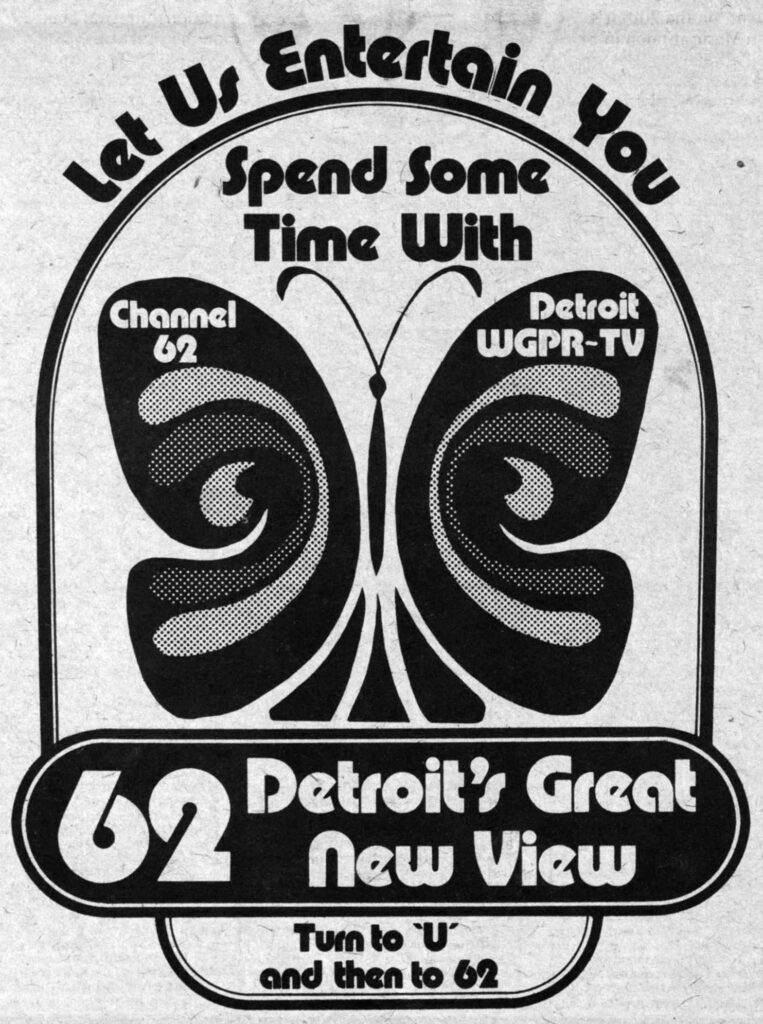
A Few Seconds Before Noon
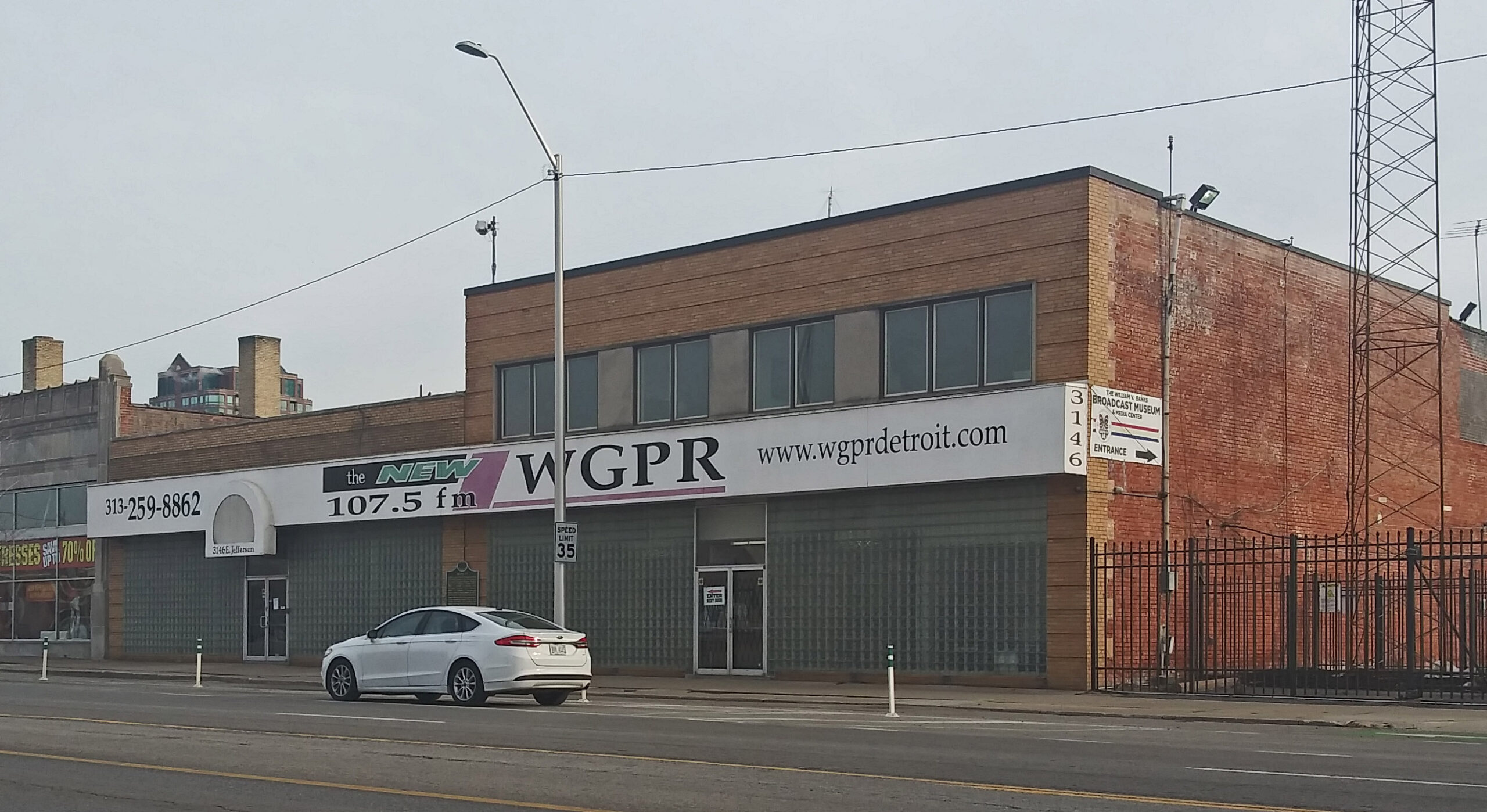
On September 29, 1975, the day arrived. WGPR-TV signed on from a former industrial building at 3146 East Jefferson Avenue with recorded greetings from President Gerald Ford and Senator Robert P. Griffin. Ford called it “a symbol of successful Black enterprise” and “a landmark, not only for the broadcasting industry but for American society.”
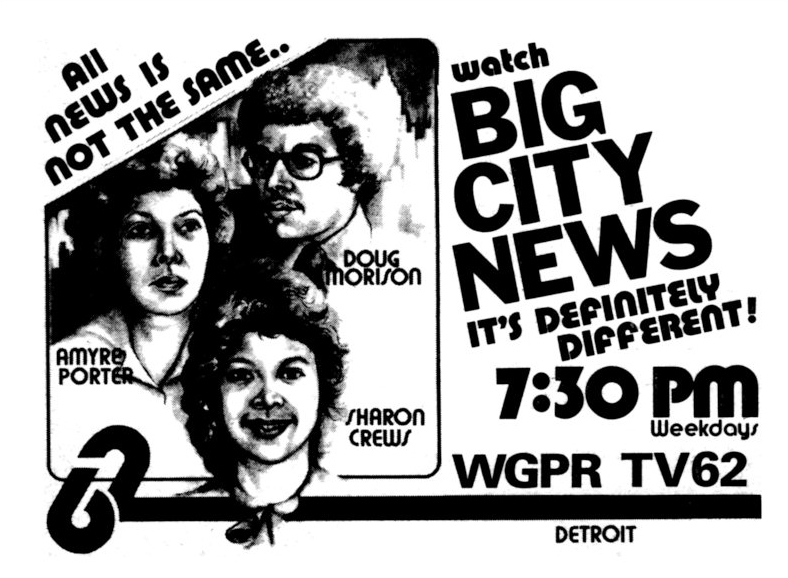
That same day, Amyre Porter, Doug Morrison, and Sharon Crews took the anchor desk — the nation’s first African-American primetime news team. The Detroit Free Press welcomed the station in an October 3, 1975, editorial as “a new dimension and added stature to the area’s entire telecommunications industry.”
The call letters originally stood for Grosse Pointe Radio, a nod to the radio station’s old studio address. Banks reinterpreted them as “Where God’s Presence Radiates.” Either way, Channel 62 was on the air — Black-owned, Black-operated, and making it up as it went along, the way pioneers do.
The Shows That Made Detroit Dance
Ask anybody from Detroit about WGPR-TV and they’ll start dancing before they start talking. The Scene — the nightly dance show hosted by Nat Morris, Detroit’s own answer to Soul Train — ran from 1975 to 1987 and became the station’s signature. Local kids danced. Funk, soul, and R&B ruled. Stevie Wonder, the Four Tops, and George Clinton passed through. The Scene still has a cult following of former dancers who will argue, decades later, that their moves were better than yours. They probably are right.
But the station was never just the dance show. Big City News delivered a daily newscast built around the Black community — “All news is not the same,” the ads said. Strictly Speaking, a local talk show, launched the career of future Access Hollywood host Shaun Robinson. Arab Voice of Detroit spoke to the city’s large Arab American community. Gospel Time sang every week. The schedule was homegrown, much of it produced by local Detroit writers, performers, and producers who got their first real shot in television at Channel 62.
And here’s the thing nobody can take away: WGPR-TV was a training ground. Young Black Detroiters got their first jobs in front of and behind the camera there — and went on to careers across the country. David Roberts started as a WGPR reporter in 1978 and is now a senior executive at ESPN. Pat Harvey, Shaun Robinson, and Amyre Makupson all came through Channel 62. The station was profitable by 1977. The people who said Black folks couldn’t run a station had their answer, broadcast twenty-four hours a day.
Twenty Years, Then a New Chapter
William V. Banks died on August 24, 1985. He never saw the sale — the Masons kept the station on the air for another decade, but the television business was changing, cable was eating independents alive, and by the early 1990s Channel 62 couldn’t keep pace. In 1994, CBS — needing a Detroit affiliate after losing its old one to Fox — agreed to buy WGPR-TV for $24 million. It became a CBS owned-and-operated station that December, and in 1995 the WGPR call letters were retired in favor of WWJ-TV. Twenty years of Black-owned television in Detroit came to an end.
But the story didn’t end. In 2017, the WGPR TV Historical Society — founded by former employees — opened the William V. Banks Broadcast Museum & Media Center in the same building at 3146 East Jefferson. The building earned a Michigan Historical Marker in 2016 and was listed on the National Register of Historic Places in 2021. The radio station is still there, still broadcasting. The exhibits, the oral histories, the old Scene footage — it’s all still home.
We Didn’t Wait for Permission
Fifty-one years later, the lesson of WGPR-TV isn’t really about television. It’s about what happens when Black people stop waiting for a license — literal or otherwise — to tell our own stories. Banks heard “you don’t have the capital,” so he raised the capital. He heard “you don’t have the talent,” so he trained the talent. He heard “advertisers won’t come,” so he built something advertisers couldn’t ignore.
They said we couldn’t run a TV network. We ran one for twenty years, launched a generation of careers, and left a building on East Jefferson that now belongs to history itself.
That’s not just a station. That’s a blueprint.
Discover more from The Whitsdom Press
Subscribe to get the latest posts sent to your email.
Leave a comment