
The Promise
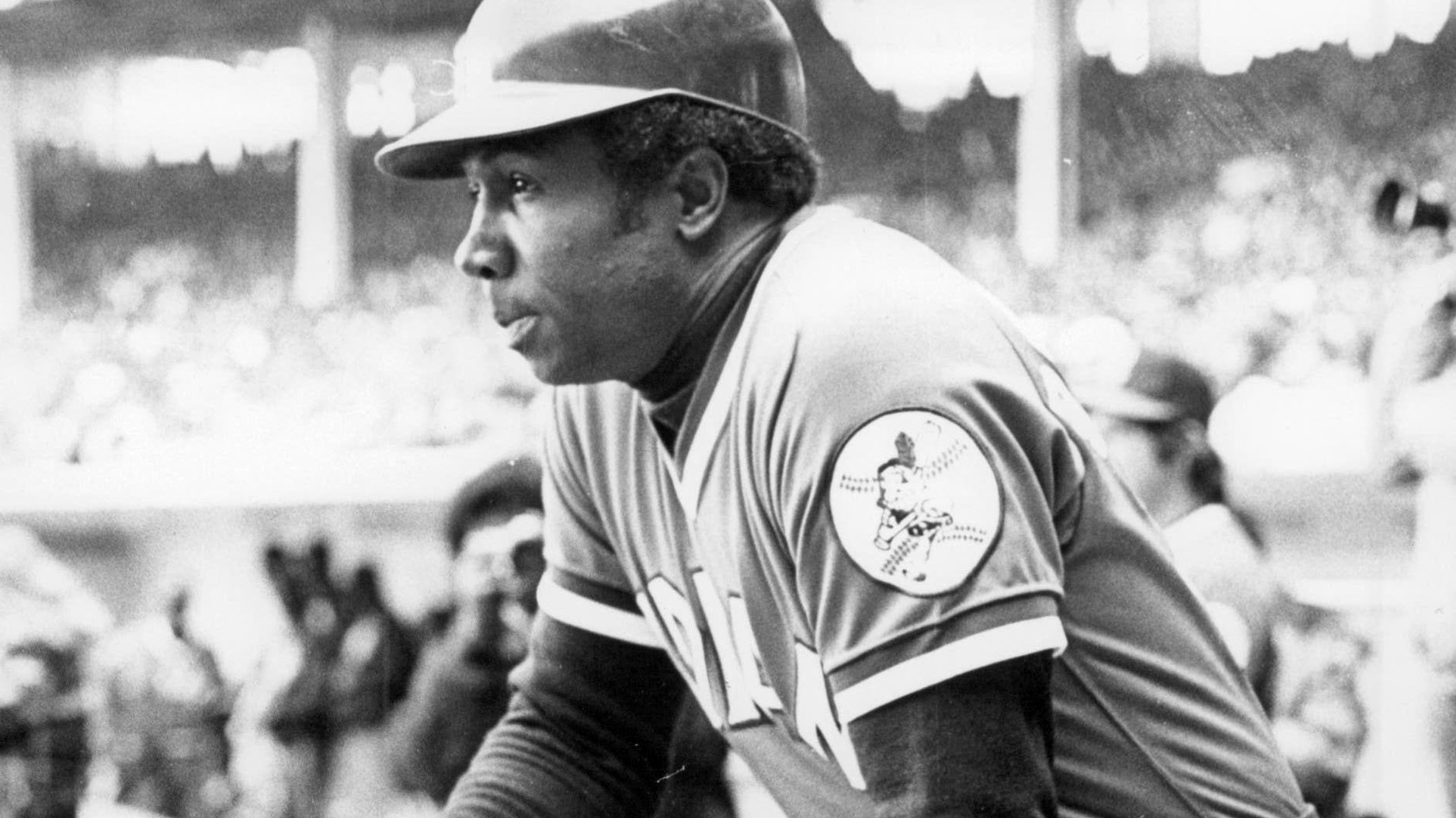
Fifty-two years ago today — October 3, 1974 — the Cleveland Indians named Frank Robinson their manager. He became the first Black manager in the history of Major League Baseball.
He would manage from dugouts he once couldn’t sit in. And the man who asked for this moment — who begged baseball for it — died without ever seeing it.
On October 15, 1972, at Game 2 of the World Series, Jackie Robinson made his last public appearance. Twenty-five years after he broke baseball’s color line, Jackie looked at the game and said what was still missing: “I’m going to be tremendously more pleased and more proud when I look at that third base coaching line one day and see a black face managing in baseball.”
Nine days later, Jackie Robinson was dead.
He never got to see it. But two years later, Frank Robinson — no relation, though the name felt like fate — picked up the thing Jackie asked for and carried it into the dugout.
The Player
Before he was a pioneer in a manager’s uniform, Frank Robinson was one of the coldest hitters who ever lived. Born August 31, 1935, in Beaumont, Texas — yes, Texas — and raised in Oakland, where he played high school ball with Bill Russell, who would go on to become the first Black head coach in the NBA. Two kids from McClymonds High, both destined to integrate somebody’s sideline.
The résumé is absurd:
- The only player in history to win MVP in both leagues — 1961 National League MVP with the Cincinnati Reds, 1966 American League MVP with the Baltimore Orioles.
- The 1966 Triple Crown: led the American League in batting average (.316), home runs (49), and RBIs (122) — then won World Series MVP when the Orioles swept the Dodgers.
- NL Rookie of the Year in 1956. Fourteen All-Star selections. Two World Series rings. 586 career home runs. First-ballot Hall of Fame, 1982.
He didn’t get the Cleveland job as a courtesy. He got it because he was one of the greatest players alive, and everybody in baseball knew it.
The Boardinghouse
Here’s the part they don’t put on the plaque. During his early years with the Reds, spring training was in segregated Florida, and Black players weren’t allowed in the team hotel. Frank Robinson lodged in a boardinghouse in Tampa with two teammates — a place with only a bathtub and no shower for the three of them — while the white players slept at the team hotel.
That’s the man who, two decades later, would walk into a major-league dugout as the manager. He didn’t just break a barrier. He’d lived on the wrong side of it, in a boardinghouse with a bathtub, and then he came back and ran the whole operation.
April 8, 1975
His managerial debut came on Opening Day, April 8, 1975, against the New York Yankees in Cleveland. Rachel Robinson — Jackie’s widow — threw out the ceremonial first pitch. You can’t make this up.
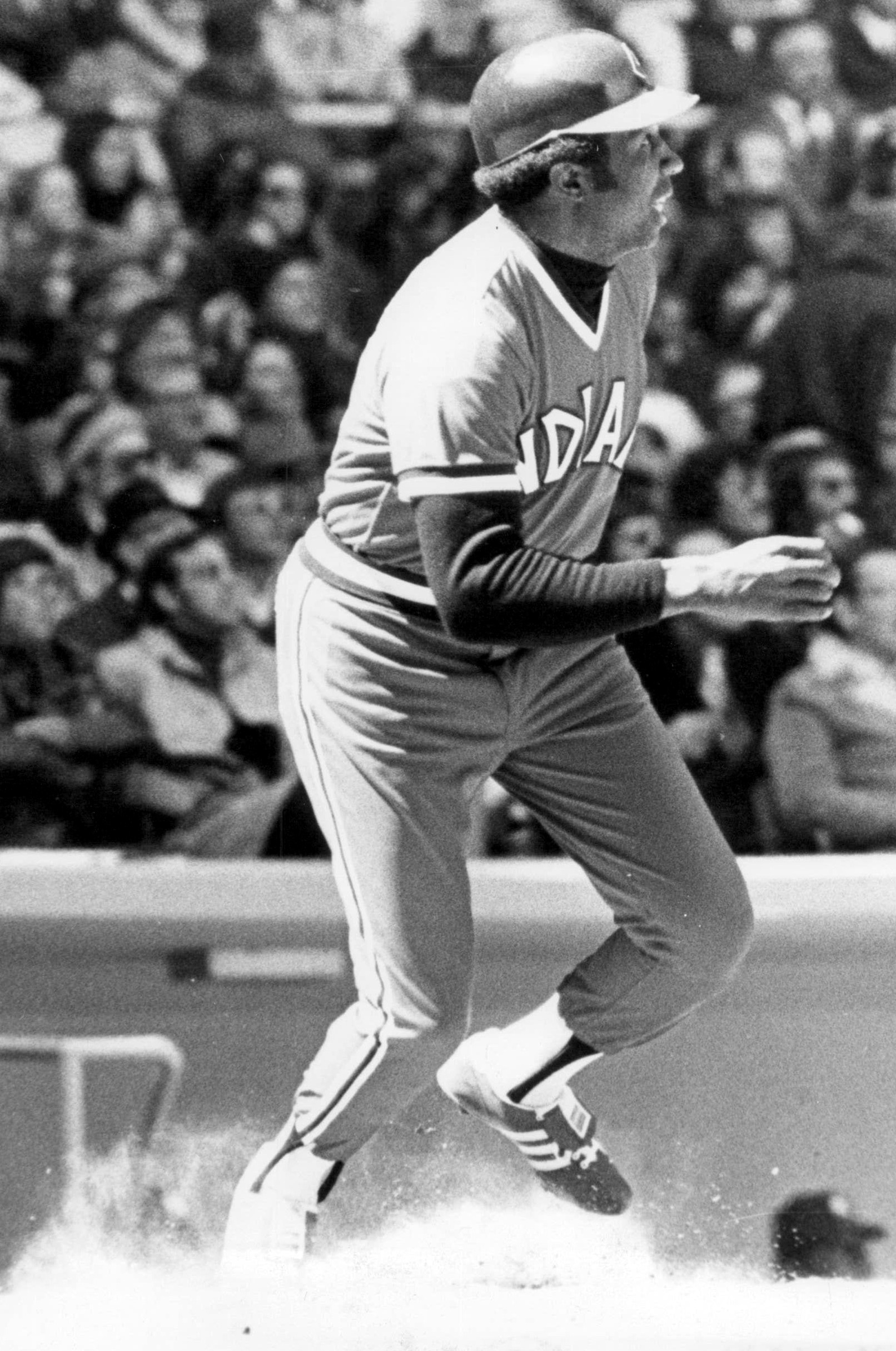
Frank Robinson batted second. In his first at-bat as a player-manager, he hit a home run — the 575th of his career, off Doc Medich. The Indians won 5–3.
A Black man, managing a major-league team for the first time in history, homers in his first at-bat, with Jackie’s widow watching from the mound. If you wrote that in a movie, they’d call it corny.
The Dugout Years
Cleveland fired him in June 1977 — baseball has never been sentimental about Black managers, a pattern that would repeat across the decades. But Robinson kept managing: the San Francisco Giants (1981–84), the Baltimore Orioles (1988–91, where he won AL Manager of the Year in 1989), and the Montreal Expos/Washington Nationals (2002–06). He finished with 1,065 managerial wins and later served as an MLB executive.
He never got the grace his white counterparts got. He got fired, hired, fired, hired — and every time, he showed up and did the work. That’s the part of the pioneer story people skip: it wasn’t one breakthrough. It was a career of proving it, over and over, to people who kept moving the finish line.
The Statue Holds a Lineup Card
In 2017, Cleveland unveiled a statue of Frank Robinson in Heritage Park at Progressive Field. The statue holds the lineup card from April 8, 1975 — the day everything changed. His number 20 is retired.
At the unveiling, Robinson said the thing pioneers always have to say, because the work is never finished: “It can get better. We’re still not where we should be in the front office, in the dugouts and even now, the players’ roster. We’re losing ground all the way around.”
He was right. More than half a century after he broke the managerial color line, you can still count the Black managers in baseball on a couple of fingers. The dugouts opened. The front offices barely budged.
Frank Robinson died on February 7, 2019, at 83. He was born in Beaumont, Texas, in 1935 — a Black boy in Jim Crow Texas who grew up to hit 586 home runs, win MVPs in both leagues, and manage from dugouts that once wouldn’t have let him sit in them.
Jackie asked for a Black face on the third base coaching line. Frank gave him one — and then some.
BH365 fact file: Frank Robinson (1935–2019). Named Cleveland Indians manager October 3, 1974 — the first Black manager in MLB history. Player-manager 1975–76; homered in his first at-bat as manager, April 8, 1975. Only player to win MVP in both leagues; 1966 Triple Crown; 586 home runs; first-ballot Hall of Famer (1982).
Discover more from The Whitsdom Press
Subscribe to get the latest posts sent to your email.
Leave a comment