
The Law School That Told Him No
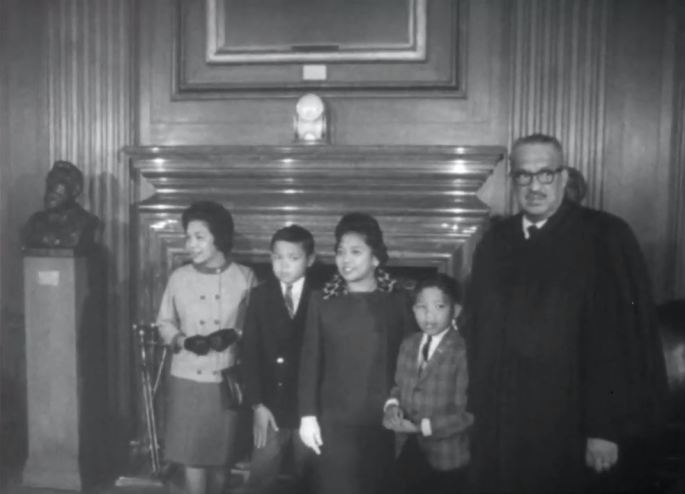
Fifty-nine years ago today — October 2, 1967 — Thurgood Marshall walked into the U.S. Supreme Court and sat down where no Black person had ever sat. At the opening ceremony of the Court’s term, he was sworn in as the first Black Supreme Court justice in American history. He would hold that seat for nearly a quarter of a century.
But here’s what I love about this story: the man didn’t start with a robe. He started with a rejection letter.
Marshall grew up in Baltimore. He was born in 1908, and by the time he was ready for law school, the University of Maryland’s law school — the one closest to home — would not let him in. Not because of his grades. Because he was Black.
So he went to Howard Law instead, where Charles Hamilton Houston was training a generation of students to be what he called “social engineers” — lawyers who would use the law itself as a weapon against segregation. Marshall became Houston’s star pupil.
Then, in 1935, Marshall went back and sued the very school that had rejected him. In Murray v. Pearson, the court ruled that Maryland had to admit Donald Murray to the University of Maryland’s law school — a Black student, admitted, case closed. And Marshall later said he filed that case “to get even with the bastards.”
You tell me there’s a more honest mission statement for a career than that.
Twenty-Nine Out of Thirty-Two
From 1940 to 1961, Marshall was the head of the NAACP Legal Defense and Educational Fund, and what he did in those two decades rewired American law. He argued 32 cases before the Supreme Court. He won 29 of them. That’s not a lawyer. That’s a natural disaster with a briefcase.
He earned the nickname “Mr. Civil Rights,” and he earned it the hard way — traveling the South, sleeping in places where white mobs knew his name, arguing cases that put targets on his back.
The greatest hits read like a syllabus for how America was forced to change:
- Smith v. Allwright (1944) — killed the white-only primary in Texas. Yes, Texas.
- Sweatt v. Painter (1950) — forced the University of Texas at Austin’s law school to admit Heman Sweatt, because the “separate” law school Texas set up for Black students was a joke and everybody knew it.
- McLaurin v. Oklahoma State Regents (1950) — struck down the humiliating conditions imposed on George McLaurin, the Black graduate student Oklahoma forced to sit in a separate row, eat at a separate table, and study at a separate desk.
- Brown v. Board of Education (1954) — Marshall was the lead attorney. A unanimous 9–0 Court declared “separate but equal” unconstitutional in public schools. It is one of the most important arguments any lawyer has ever made.
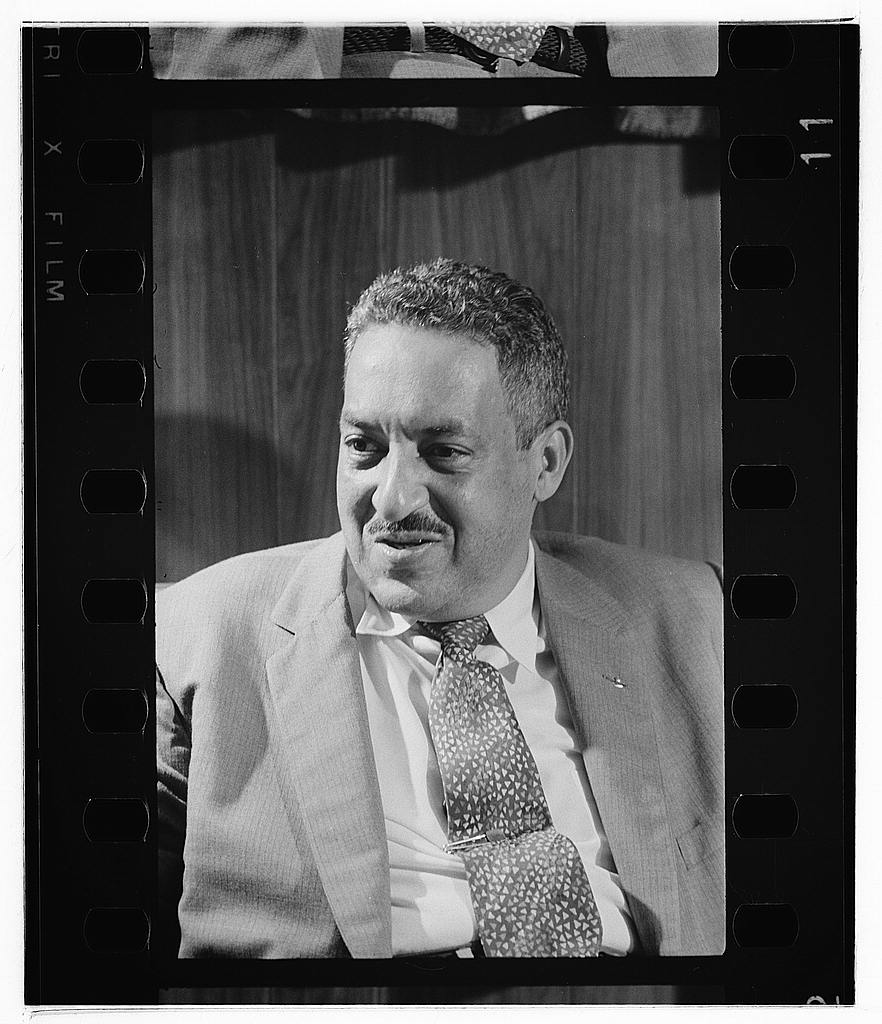
Think about Sweatt for a second. Marshall won that case in 1950 — forced UT-Austin to integrate its law school. And this year, the same university system dismantled its African and African Diaspora Studies major. Marshall’s whole career was about cracking open doors in Texas institutions. Somebody’s been trying to close them back ever since.
The Ladder to the Bench
President Kennedy put Marshall on the Second Circuit Court of Appeals in 1961 — the first Black federal appeals judge in the country’s history. President Johnson made him the first Black Solicitor General in 1965. And then, on June 13, 1967, LBJ nominated him to the Supreme Court to fill the seat of retiring Justice Tom C. Clark.
The Senate confirmed him 69 to 11 on August 30, 1967. Ten of the eleven “no” votes came from Southern senators — men who knew exactly what Marshall had spent his career dismantling and were not ready to watch him do it from the highest bench in the land.
LBJ said the nomination was “the right thing to do, the right time to do it, the right man, and the right place.” Sixty-nine senators agreed. The eleven holdouts told on themselves.
On the Court: The Conscience Seat
For 24 years, Marshall was the Court’s conscience. He believed the Constitution’s promises belonged to everybody, not just the people with power.
He was a ferocious opponent of the death penalty. In Furman v. Georgia (1972) — the case that briefly ended executions in America — he wrote: “In recognizing the humanity of our fellow beings, we pay ourselves the highest tribute.” He and Justice Brennan dissented in more than 1,400 cases where the majority refused to even review death sentences.
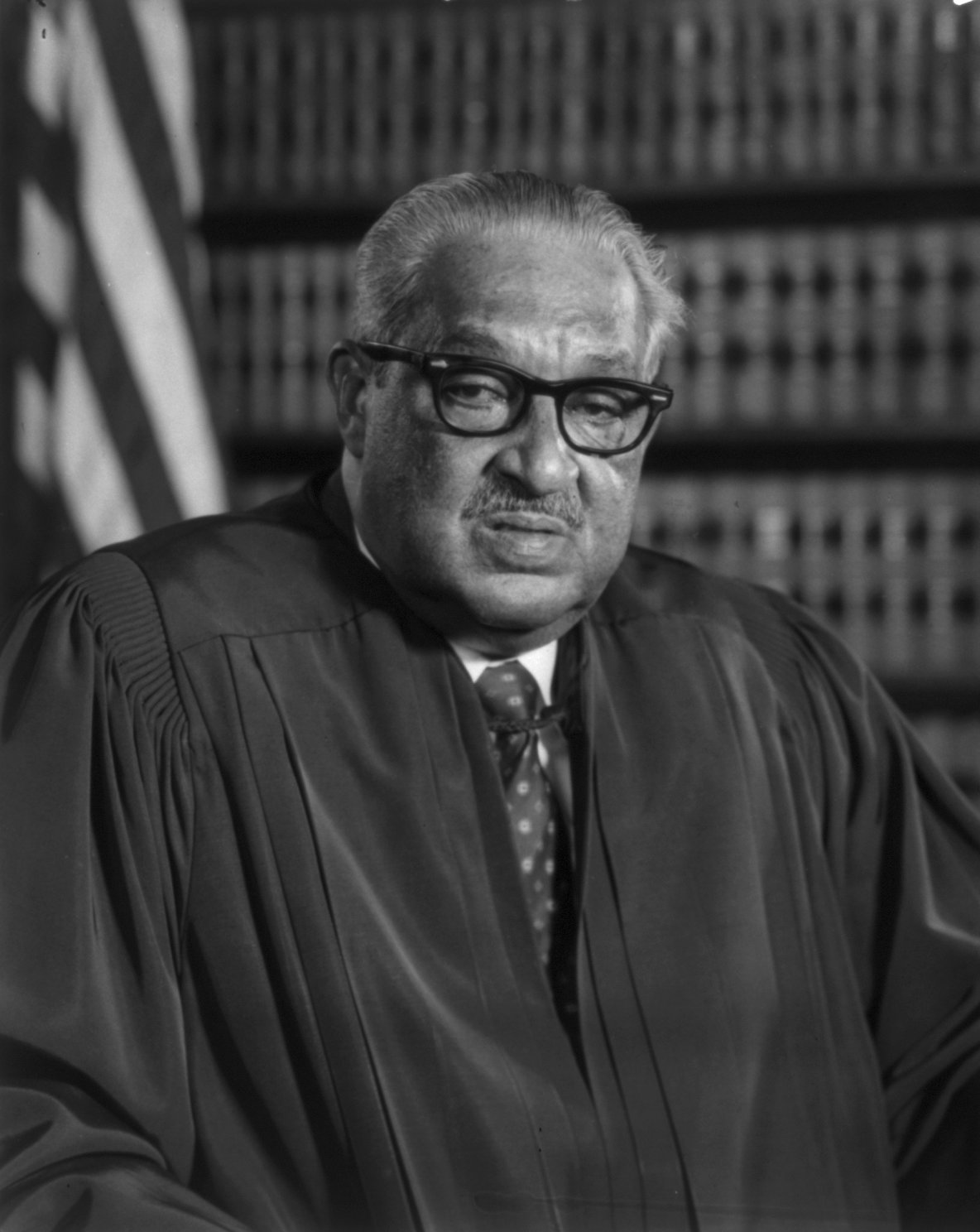
He voted for abortion rights. He protected free speech. He stood for civil liberties when it was unpopular, because it had always been unpopular to stand for civil liberties, and he’d been standing his whole life.
He retired in 1991, his health failing. He died on January 24, 1993, and was buried at Arlington National Cemetery.
What He Left Behind
Here’s what gets me about Thurgood Marshall: he didn’t have the luxury of being a normal lawyer. Every courtroom he walked into, he carried the entire weight of a people who were told the law wasn’t for them — and he used the law anyway. The school that rejected him became the school he defeated. The state that built a fake law school to keep Heman Sweatt out became the state that had to admit him. The Senate that a century earlier would have confirmed the opposite verdict confirmed him 69 to 11.
Fifty-nine years later, we’re still arguing about whose books kids can read and whose history gets taught. Marshall already answered that question: everybody’s. All of it. He spent his whole life making the law say what it promised, and the least we can do is remember who did the work.
BH365 fact file: Thurgood Marshall (1908–1993). Sworn in October 2, 1967. First Black Supreme Court justice. Won 29 of 32 Supreme Court arguments as an advocate. Argued Brown v. Board of Education.
Discover more from The Whitsdom Press
Subscribe to get the latest posts sent to your email.
Leave a comment