
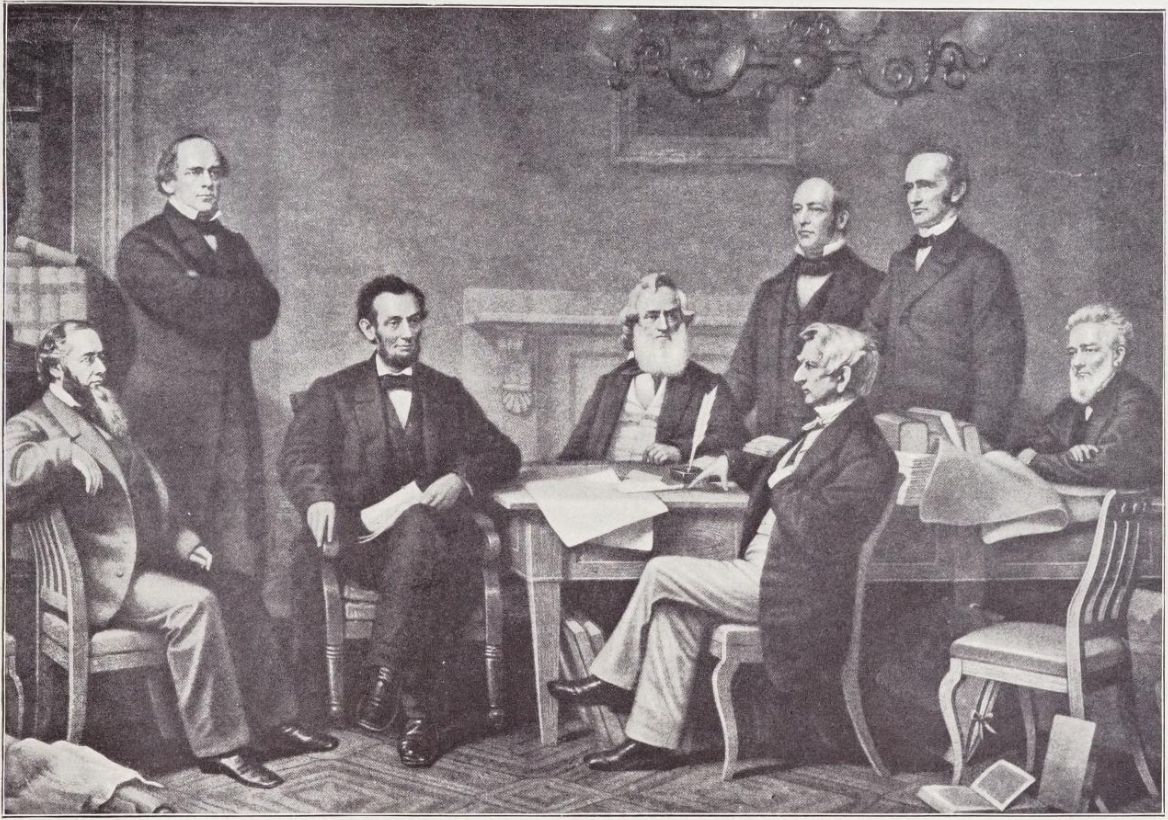
One hundred and sixty-four years ago today, Abraham Lincoln signed a paper that promised freedom to millions — and freed no one. That is the whole story of the preliminary Emancipation Proclamation, issued on September 22, 1862: a thunderclap of a document that changed the meaning of the Civil War without changing the legal condition of a single enslaved person on the day it was announced.
It is easy to read history backward and assume the proclamation did the work. It did not. It started a clock. And the lesson of that clock — that freedom on paper is only as real as the power behind it — is one Black History 365 returns to again and again, because it keeps repeating.
The 100-Day Warning
The timing was everything. Five days earlier, on September 17, 1862, Union and Confederate armies had collided at Antietam Creek near Sharpsburg, Maryland, in the single bloodiest day of the entire Civil War. Lee’s invasion of the North had been turned back. It was not the crushing victory Lincoln wanted, but it was enough.
Lincoln had drafted the proclamation weeks before. But Secretary of State William H. Seward counseled patience: announce emancipation after a defeat, he warned, and it would read like the last desperate gasp of a losing cause. Announce it after a victory, and the same words would carry the weight of strength. So Lincoln waited, the draft in his desk drawer, until Antietam gave him his moment.
What he announced on September 22 was, in effect, an ultimatum. The states in rebellion had one hundred days — until January 1, 1863 — to lay down their arms and return to the Union. If they refused, every enslaved person in the areas still in rebellion would be declared “then, thenceforward, and forever free.” A warning shot with a fuse one hundred days long. Not one Confederate state took the deal.
Who It Didn’t Touch
Here is the part of the story that rarely makes the highlight reel: the proclamation drew its power from Lincoln’s authority as commander-in-chief, exercised as a war measure. That meant it could reach only where the war reached — the states and districts in active rebellion.
Slavery in the loyal border slave states — Kentucky, Missouri, Maryland, and Delaware — was left completely untouched. These states had not seceded, and a war-powers proclamation could not lawfully reach inside them. Nor could it reach the pockets of Confederate territory already under Union occupation, which were specifically exempted. The document drew a careful legal circle, and millions of enslaved people stood outside it.
And inside the circle, the promise could not be enforced. Where Confederate authority still held, no federal officer and no clause of the proclamation could compel a single enslaver to open a gate. On September 22, 1862, not one enslaved person was freed. The freedom papers didn’t free anybody.
Freedom Had to Be Taken
If the proclamation did not free people, what did? The honest answer is that emancipation was a process, not a signature — and enslaved people themselves were its engine. Long before September 1862, they had been voting with their feet, escaping to Union lines wherever the armies drew near. The proclamation did not start that movement. It finally caught up to it.
After January 1, 1863, the proclamation’s reach grew only as fast as Union armies advanced — freedom arrived at the pace of marching boots. And the document did one more crucial thing: it authorized the enlistment of Black soldiers. An estimated 180,000 African Americans would serve in the Union army, and another 18,000 in the navy. The people the papers named would have to help enforce their own freedom, rifle in hand.
That is the hinge of the whole story. A proclamation can name the free. Only people — escaping, organizing, enlisting, fighting — can make the name true.
The Texas Coda
For the readers of The Whitsdom Press, the long shadow of the proclamation’s limits falls hardest on Texas. Because emancipation had to be carried in by armies on the ground, no proclamation from Washington could end slavery in Texas by itself. The war’s western edge lay far from the main theaters, and enslavers kept arriving with enslaved people in tow, confident that distance was protection.
Slavery in Texas did not end with a proclamation. It ended when Union troops finally reached Galveston on June 19, 1865 — Juneteenth — two and a half years after the final proclamation took effect on January 1, 1863. The one-hundred-day warning had been a promise the government could not deliver on its own. The paper said “forever free,” but freedom waited on soldiers, ships, and the stubborn persistence of Black Texans themselves.
Freedom Delayed Is Freedom Denied
So what do we do with a freedom paper that freed nobody on the day it was signed? We tell the truth about it — and then we notice what it still accomplished. It recast the Civil War as a war against slavery itself, helped keep Britain and France from recognizing the Confederacy, and set the nation on the road to the 13th Amendment, which in 1865 finally ended slavery everywhere in the United States, border states included.
But the evergreen lesson is the one in the title. A document can declare freedom; only power, persistence, and people deliver it. The one-hundred-day warning of September 22, 1862, reminds us that rights announced are not rights secured — between the promise and the possession there is always a gap, and somebody has to cross it. Freedom delayed is freedom denied. And freedom papers mean nothing until somebody makes them real.
Discover more from The Whitsdom Press
Subscribe to get the latest posts sent to your email.
Leave a comment