
Opening
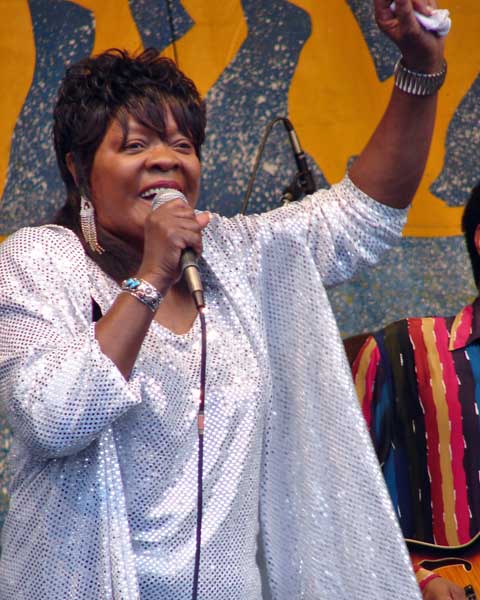
Ninety-eight years ago today, on a sharecropper’s farm outside Memphis, Tennessee, a baby girl was born who would grow up to holler the blues so hard they’d have to crown her for it. Her name was Cora Ann Walton. The world would come to know her as Koko Taylor — the Queen of the Blues — and if you’ve ever heard “Wang Dang Doodle” shake a room, you already know why she never gave that crown back.
Koko Taylor didn’t take a shortcut to greatness. There was no overnight discovery, no polished road to the stage. She scrubbed floors by day and set clubs on fire by night. She carried her voice through sharecropper fields, gospel choirs, Chicago winter, and a decade of near-misses before the spotlight found her. This is the story of how a cleaning woman became royalty — one roof-raising note at a time.
A Sharecropper’s Daughter With a Voice the Size of Sunday
Cora Ann Walton was born on September 28, 1928, near Memphis, Tennessee, the daughter of a sharecropper and one of six children in a house where music was as regular as the sunrise. On Sundays, the children sang gospel. On Mondays, they switched to the blues — that was the household rule, as Taylor herself remembered it years later. Her younger brother made himself a harmonica out of a corncob, and the little girl with the giant voice didn’t need any microphone at all.
And where did “Koko” come from? Pure sweetness. As a girl, Cora had a deep love of chocolate — a little taste for cocoa that followed her all the way out of childhood and into her stage name. It was a soft name for a woman whose voice would turn out to be anything but.
Scrubbing Floors by Day, Wrecking Clubs by Night
In the early 1950s, Cora left Memphis for Chicago with her husband, Robert “Pops” Taylor, a truck driver. This was the era of the Great Migration’s long echo — Southern families arriving in the North with everything they owned in a suitcase and a plan in their hearts. The Taylors settled into the South Side, and by day, Cora worked as a cleaning woman, sweeping and scrubbing to pay the rent.
But nights and weekends belonged to the clubs. The Taylors were regulars on the South Side scene, and before long the bandleaders started inviting her to sit in — the cleaning woman from Memphis who sang like a thunderstorm with a church choir inside it. One Sunday night in 1962, she was sitting in at a club when the great Willie Dixon happened to be in the audience. When she finished, Dixon walked up to her and said, in essence: I’d never heard a woman sing the blues like that in my life. Where did you come from?
“Memphis,” she said.
Dixon — already a towering bluesman and songwriter — took her under his wing. He helped her land a deal with Chess Records in 1965, and he wrote a song for her that would change everything.
“Wang Dang Doodle” and the Crown
The song was “Wang Dang Doodle” — a rowdy, rolling party anthem Dixon had written a few years earlier, which Howlin’ Wolf had recorded first. But when Koko Taylor cut it in 1966, something electric happened. The record shot up the charts — number four on the Billboard R&B chart, number 58 on the pop chart — and sold a million copies.
Just sit with that for a second: a sharecropper’s daughter who’d spent years singing for free on South Side bandstands had a million-selling record. “Wang Dang Doodle” became her signature, her calling card, her forever encore — the “all night long” refrain turning whole rooms into singalong choirs, night after night, for the rest of her life. It would later be inducted into the Blues Foundation Hall of Fame, because a song that joyful simply refuses to die.
Queen of the Blues — And She Meant It
When Chess Records eventually folded, Taylor kept moving. In 1975 she signed with Alligator Records, Chicago’s homegrown blues label, and recorded nine albums there — eight of them earning Grammy nominations. And in 1985, the crown got its jewels: she won the Grammy Award for Best Traditional Blues Recording for Blues Explosion, shared with John Hammond, Sugar Blue, and Luther “Guitar Junior” Johnson.
The honors kept rolling in like a slow Chicago freight train — more than two dozen W.C. Handy Awards, more than any other artist in history; induction into the Blues Foundation’s Hall of Fame; a national audience discovering her all over again through her appearance in Blues Brothers 2000. She’d survived a near-fatal car crash in 1989 and come back swinging. She opened her own blues club on Division Street in 1994. Nothing stopped the woman. That voice had already carried her from a cotton farm to the top of the blues world — what was a little wreckage going to do?
Koko Taylor’s influence ran through the next generations like a bass line: Bonnie Raitt, Janis Joplin, Shemekia Copeland, Susan Tedeschi — women who picked up a guitar or opened their mouths and sang because Koko had shown them what was possible when a woman took all the space a stage could give her.
She died in Chicago on June 3, 2009, at the age of 80. But here’s the thing about a voice that big: it doesn’t really leave the room.
Turn It Up
Ninety-eight years after a sharecropper’s daughter was born on a Memphis farm, here’s what the Queen of the Blues leaves us: the gospel on Sunday, the blues on Monday, and the lesson that a woman can scrub floors all day and still shake the foundations of a city all night.
So when “Wang Dang Doodle” comes on — and it will — do what every audience Koko Taylor ever had did. Sing along to the “all night long” part. Loud. That’s not just a song; it’s a celebration of a woman who earned every inch of her crown the hard way, then wore it like joy was the whole point. Because for Koko Taylor, it was.
Discover more from The Whitsdom Press
Subscribe to get the latest posts sent to your email.
Leave a comment