
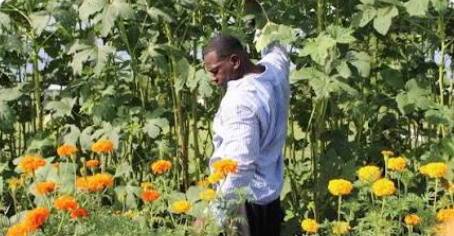
Updated September 11, 2026. Want to know more about the people growing your food? The Black Farmers Index is one place to start. It gives readers a way to discover Black growers and explore purchasing options beyond their usual grocery routine.
Supporting Black agricultural businesses and asking informed questions about food can go together. But shopping locally, buying organic, or purchasing directly from a farm does not guarantee that food is free from contamination.
What the Black Farmers Index does
According to its About BFI page, the organization connects Black growers with consumers, resources, and business opportunities. Its work includes a directory, educational activities, events, and stories about agriculturalists. The organization says it received 501(c)(3) status in 2021.
Its definition of agriculture extends beyond a vegetable stand: the organization describes an ecosystem that includes ranchers, fisherfolk, beekeepers, foragers, and other growers. A directory listing is a starting point for learning about an individual business; it does not establish that every listed farm offers the same products or uses the same methods.
How to find a grower
- Open The Index and choose the relevant region.
- Look for your state and explore the listed businesses.
- Contact the grower directly to confirm current products, ordering instructions, availability, and pickup or delivery arrangements.
For Houston-area readers, my suggestion is to start with a manageable order from a business you can reach. Compare the total cost, including travel or delivery, rather than assuming that one purchasing method will always be cheaper.
Questions worth asking before you buy
- What is available this week, and what must be ordered ahead?
- Where and when can I collect the order?
- How should I transport and store it?
- What does the seller mean by labels such as “natural” or “organic”?
- Who should I contact if I have a concern about the product?
These are practical shopping questions, not a certification checklist. A conversation can help you understand a seller’s practices, but it cannot substitute for appropriate food-safety controls.
Food safety still matters at the farm gate
The FDA’s produce guidance explains that contamination can occur during growing, storage, or preparation. Its advice applies to produce from grocery stores, farmers’ markets, and home gardens.
Choose undamaged produce, keep cut produce cold, and separate it from raw meat when packing groceries. Wash ordinary fresh produce under running water rather than with soap. Washing reduces bacteria but does not remove every risk; follow package instructions for products labeled prewashed or ready to eat.
Build a connection, not a safety assumption
The appeal of buying from a grower is the opportunity to learn about that business and decide whether its products fit your household. You can support Black farmers without promising that their food is immune to recalls or that every larger supplier is unsafe.
Start with the directory, ask questions, and keep safe handling part of your routine wherever you shop.
Correction, September 11, 2026: We revised the headline and removed unsupported recall examples, unverified farmer counts, an unattributed quotation, and language implying that farm-direct food guarantees protection from contamination. This guide now distinguishes the directory’s community value from food-safety assurances and links to BFI and FDA sources.
Discover more from The Whitsdom Press
Subscribe to get the latest posts sent to your email.
Leave a comment