
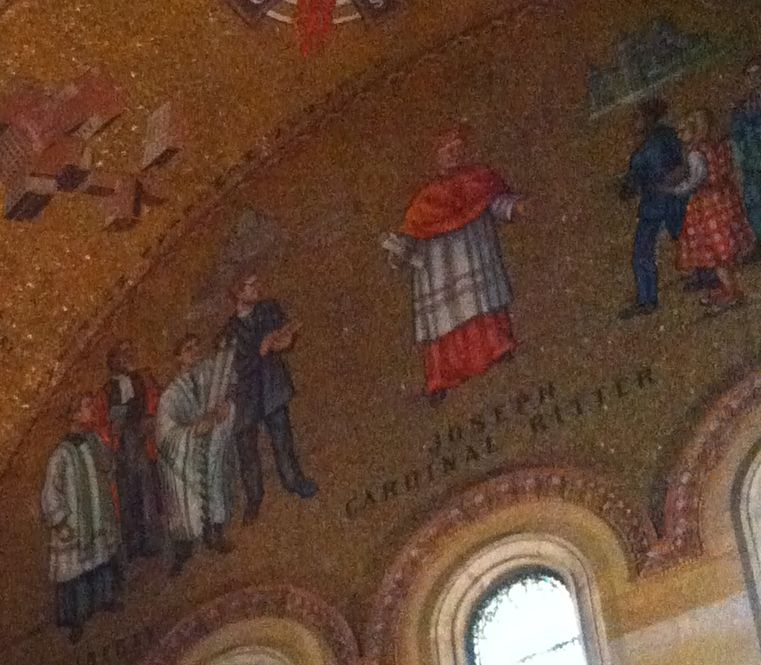
On September 21, 1947 — 79 years ago today — an archbishop did something no Catholic prelate in American history had ever dared. That morning, Archbishop Joseph E. Ritter of St. Louis released a statement warning that any Catholic who fought his order to integrate the archdiocese’s schools would face “the serious penalty of excommunication” — barred from church practice. Seven years before Brown v. Board of Education, one man of faith drew the line. And he did not blink.
The Announcement
That summer, Ritter had ordered the end of segregation in St. Louis’s parochial schools by the 1947–48 school year. The decision drew fury from some white Catholics — some 700 parents organized a rally and intended to sue the archbishop. But on the morning of the planned protest, Ritter struck first.
September 21, 1947
On September 21, 1947, Ritter released his statement: anyone participating in a lawsuit against integration would face “the serious penalty of excommunication.” Excommunication was the heaviest weapon a Catholic bishop could wield — to be excommunicated was to be cut off from the sacraments, barred from church practice entirely. And Ritter aimed it squarely at segregation.
The Man Behind It
Ritter was no outsider to the fight. Born in Indiana and ordained a priest in 1917, he was consecrated Bishop of Indianapolis in 1934 — where he had already integrated the parish school system. Named Archbishop of St. Louis in 1946, he carried that conviction with him. He would be created a cardinal in 1961 by Pope John XXIII, take part in the Second Vatican Council, and die in 1967 — a churchman whose courage outlasted his century.
The Threat That Worked
The threat worked. The organized opposition disbanded. Ritter integrated St. Louis’s Catholic schools without the war the segregationists had promised. A threatened excommunication had done what lawsuits, marches, and debates had not yet done: it ended the argument.
Seven Years Before Brown
Ritter acted seven years before Brown v. Board of Education forced St. Louis’s public schools to integrate — seven years before the Supreme Court spoke. And excommunication threats over segregation were not bluffs: the Archbishop of New Orleans would later actually excommunicate Catholics who opposed integration. Ritter drew the line in 1947. The Church would hold it.
Discover more from The Whitsdom Press
Subscribe to get the latest posts sent to your email.
Leave a comment