
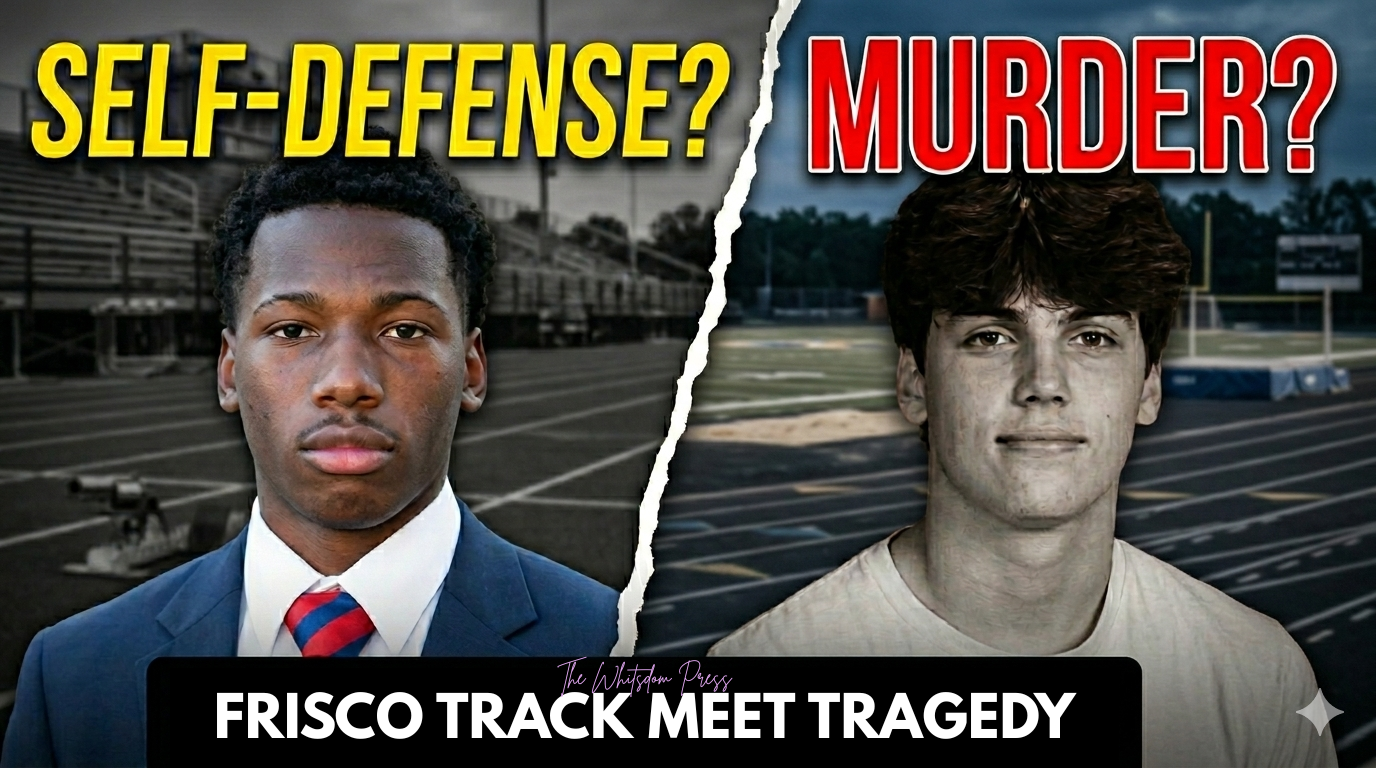
The legal teams in the high-profile murder trial of 19-year-old Karmelo Anthony officially selected a final jury on Wednesday. However, the composition of the panel has already injected a fresh layer of intense scrutiny into a case that has gripped the North Texas community.
Out of a massive initial pool, the final panel features some minority representation, but it does not include a single Black juror. Because the tragedy has been heavily polarized along racial lines since day one, the zero-Black juror outcome instantly became the focus of major legal wrangling before the panel was even sworn in.
The Defense Objections and the “Strike Zone”
During the final selection process, the defense team, led by attorney Mike Howard, lodged a formal objection after the prosecution struck three Black women from the potential jury pool.
Howard pointed out to the court that these three women represented 100% of the available Black jurors sitting within the “strike zone”—the eligible section of the pool from which the final jury is pulled. By dismissing them, the state effectively removed all potential Black representation from the final panel.
The prosecution pushed back, offering a race-neutral explanation for their decision. They argued that the three women were struck because they work as educators. Because the fatal altercation took place at a school-sanctioned function with young students present (a Frisco ISD track meet), the state contended that anyone in education might hold specific biases regarding the setting.
Presiding District Judge John Roach Jr. temporarily halted proceedings to review the specific questionnaires of the challenged jurors. Ultimately, Judge Roach denied the defense’s motion, ruling that the state provided valid, non-racial justifications for their strikes.
What Jurors Were Questioned About
Before the final cuts were made, attorneys from both sides had an hour and 45 minutes to question the narrowed-down pool of potential jurors directly. Given the massive digital footprint and racial undertones of the case, the questioning was pointed and thorough.
According to reports from inside the courtroom, potential jurors were vetted on:
- Views on Race: How racial dynamics might impact their perception of the evidence or the defendant.
- The Right to Remain Silent: Whether they would hold it against Anthony if he exercises his constitutional right not to testify in his own defense.
- Sentencing Comfort Levels: The defense specifically gauged whether jurors would feel uncomfortable giving Anthony a lower sentence if they ultimately find him guilty, given that he faces anywhere from 5 years to life in prison.
Anthony was present throughout the day, dressed in a suit, tie, and purple shirt—a color heavily worn by the supporters who continue to gather outside the courthouse gates. Observers noted he stayed focused, taking notes as the lawyers debated.
An Elite Legal Battle Begins
Legal analysts note that despite the early controversy surrounding the jury makeup, this will be an incredibly well-argued case. The prosecution is anchored by veteran prosecutor Bill Wirskye, who has handled some of the state’s most high-profile trials. Prominent criminal defense attorney Toby Shook and defense lawyer Mike Howard joins him.
Now that the jury has been finalized, the administrative phase of the trial is officially over.
Opening statements are scheduled to begin Thursday morning promptly at 9:00 AM. The state will finally present its formal narrative of the tragic April 2025 afternoon at Kuykendall Stadium, while the defense begins mapping out its self-defense argument.
Tensions Rise with Protests Outside the Courthouse
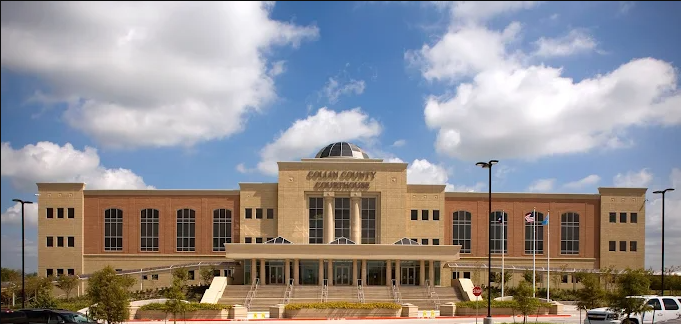
As the final jury was being selected inside, the emotional weight of the trial spilled onto the streets outside the Collin County Courthouse.
A large crowd of Karmelo Anthony’s supporters rallied near the entrance, creating a highly charged atmosphere. Many demonstrators wore matching shirts reading “We Declare He Is Free” and chanted slogans like “Self-defense is not a crime,” echoing the defense team’s core argument.
The scene outside also grew contentious as the day wore on. On-the-ground independent media reporters documented friction with the crowd, reporting that some of the demonstrators’ private security became aggressive toward press members who were not specifically pre-approved by the protest organizers.
Combined with the presence of counter-protestors and outside agitators earlier in the week, the courthouse grounds remain under a heavy law enforcement presence. With opening statements set for Thursday morning, authorities expect these crowd sizes—and the accompanying community tension—to grow as the state begins presenting its evidence.
Discover more from The Whitsdom Press
Subscribe to get the latest posts sent to your email.
One comment