
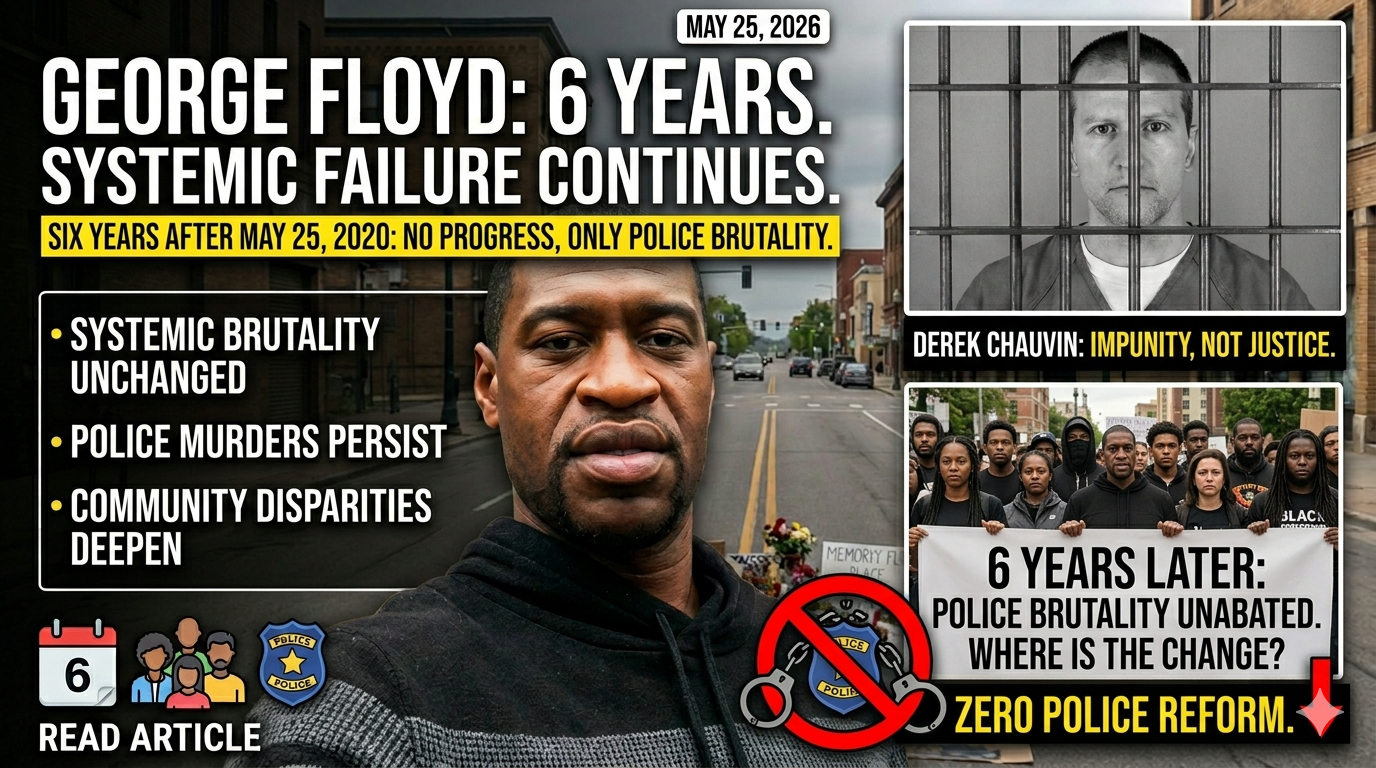
Yesterday marked exactly six years since May 25, 2020—the day a Minneapolis police officer murdered George Floyd. Remember what you were doing that day. More than likely, you were working from home during the COVID-19 pandemic. So you were home and watched on the news the agonizing video of his final moments, which sparked global protests and a loud, collective demand for systemic change. Politicians made promises, corporations pledged billions, and cities vowed to dismantle corrupt systems.
Six years later, the uncomfortable truth is that very little has changed. Despite the slogans and the superficial adjustments, police brutality in America remains as pervasive, brutal, and unyielding as ever. On this solemn anniversary, a look at where things stand reveals that the system continues to protect itself while communities of color continue to pay the ultimate price.
Who Was George Floyd?
Before his name became a global rallying cry for justice, George Floyd was a father, a brother, a friend, and a human being. Raised in the Third Ward of Houston, Texas, Floyd was a gifted athlete who excelled in both football and basketball in high school. Known affectionately by loved ones as “Big Floyd” due to his 6-foot-6 frame, he was remembered as a gentle giant with a generous spirit and a deep love for his family, including his daughter, Gianna.
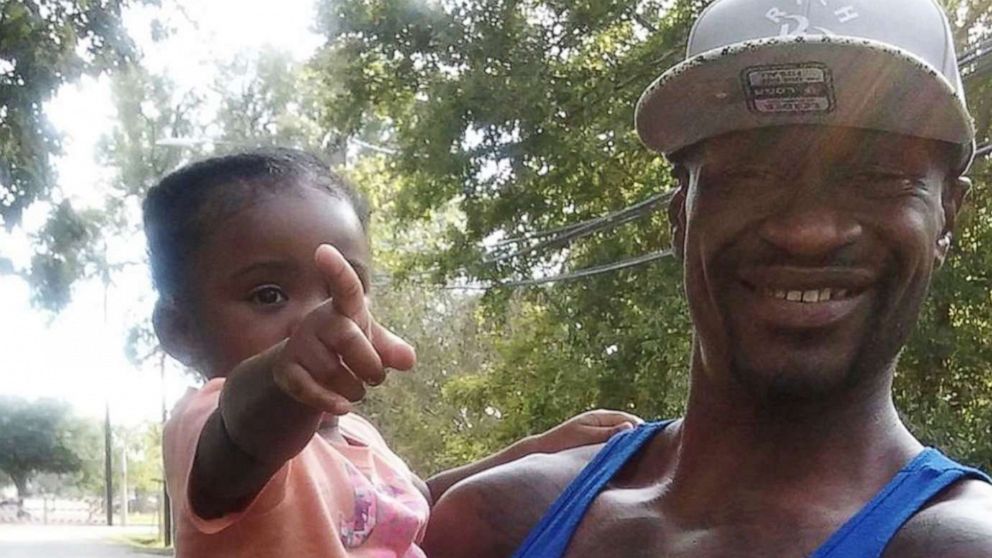
Like millions of Americans, Floyd moved to Minneapolis in search of a fresh start, working as a truck driver and a security guard before losing his job during the COVID-19 pandemic. On May 25, 2020, his life was cut short over an alleged counterfeit $20 bill—a minor interaction that law enforcement escalated into a fatal tragedy.
Where is His Murderer Now?
Derek Chauvin, the former officer who pinned his knee to Floyd’s neck for over nine minutes, is currently serving two concurrent sentences: a 22.5-year state sentence for second-degree murder and a 21-year federal sentence for violating Floyd’s civil rights.
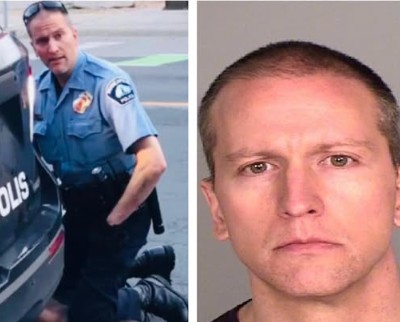
His time behind bars has been turbulent. After initially serving time in a maximum-security state facility in Minnesota, Chauvin was transferred to a federal prison. In late 2023, while housed at a medium-security facility in Tucson, Arizona, Chauvin was stabbed 22 times by another inmate. Following the attack, he was transferred to a low-security federal prison in Big Spring, Texas, where he remains today. Barring a successful appeal, his expected release date is in 2038.
Promises Made, Promises Broken: The Reality in Our Communities
In Minneapolis, the intersection of 38th Street and Chicago Avenue—now known as George Floyd Square—stands as a heavy, permanent monument to a tragedy. But outside the boundaries of this memorial, the deep-rooted changes promised to communities have largely stalled.
- The Rollback of Reforms: While several states passed superficial bills following 2020, many of those same local and federal agencies are now quietly rolling back those reforms—re-authorizing aggressive vehicle pursuits and laxing use-of-force restrictions under the guise of rising crime rates.
- Unchecked Power: Efforts to significantly defund or structurally overhaul police departments were met with swift political backlash. Funding for law enforcement has actually surged in many major American cities, while community-led mental health and safety resources remain chronically underfunded.
Proof that Nothing Has Changed: The Brutal Evidence
For those who argue that the justice system learned its lesson in 2020, the years that followed offer a devastating reality check. Police killings actually hit historic highs in the years directly following Floyd’s death. In 99% of fatal police encounters, officers still never face criminal charges.
The systemic nature of this violence is laid bare by horrifying cases that have mirrored—and in some ways exceeded—the cruelty of George Floyd’s murder.
1. The Death of Tyre Nichols (Memphis)
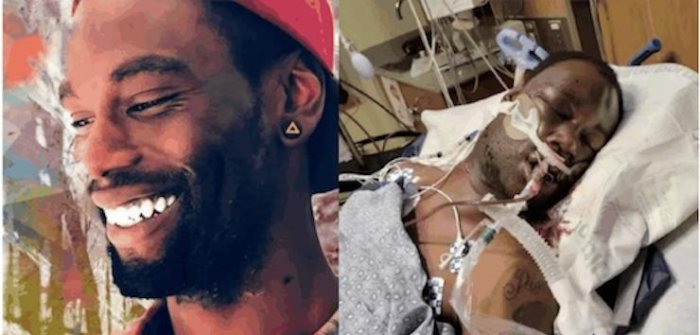
In January 2023, 29-year-old Tyre Nichols was pulled over by Memphis police officers from an elite crime-suppression unit called the SCORPION unit. What followed was a savage, prolonged beating caught on police cameras. Five officers punched, kicked, and struck Nichols with a baton while he, like George Floyd, cried out for his mother just yards from his home. Nichols died three days later. A subsequent federal investigation concluded that the Memphis Police Department routinely uses excessive force and systematically discriminates against Black citizens.
2. The Terror of the “Goon Squad” (Mississippi)
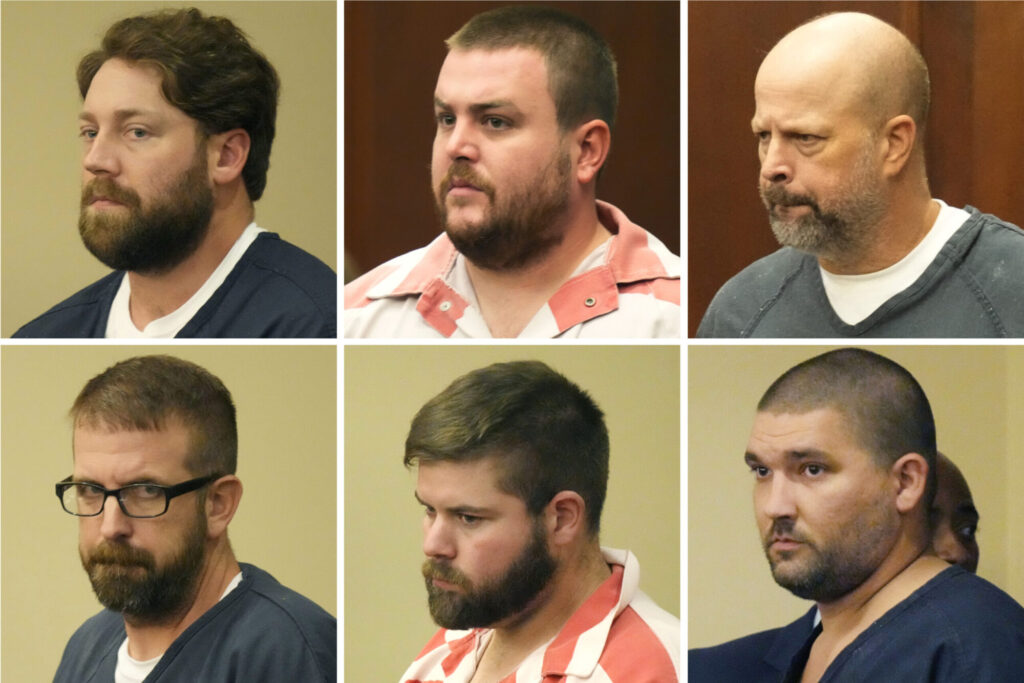
Perhaps the most egregious example of unmitigated police brutality occurred in Rankin County, Mississippi. A group of white lawmen who proudly called themselves the “Goon Squad” conducted a warrantless, racially motivated raid on a home in January 2023. For hours, the officers handcuffed, beat, used stun guns on, and sexually assaulted two Black men, Michael Corey Jenkins and Eddie Terrell Parker. The torture culminated when an officer shoved a gun into Jenkins’ mouth and pulled the trigger during a mock execution, shattering his jaw. The officers then planted drugs and guns to frame the victims.
3. The Unending List of Victims

The violence is not isolated to rogue squads. In May 2024, Roger Fortson, a 23-year-old U.S. Air Force senior airman, was shot and killed in his own apartment doorway by a Florida sheriff’s deputy who had responded to the wrong unit. According to data from Mapping Police Violence, Black Americans remain nearly three times more likely to be killed by law enforcement than white Americans.
The Verdict
Six years after the world watched George Floyd suffocate beneath the badge, the systemic machinery of police brutality remains fully operational. The convictions of the officers in Minneapolis, Memphis, and Mississippi prove that individual officers can occasionally be punished if the public outrage is loud enough.
But punishment after the fact is not prevention. As we look back on six years of grief, the data and the bodies left in the wake of law enforcement prove that the system didn’t change after George Floyd—it simply waited for the cameras to turn off.
For a deeper dive into the reality of modern policing and the structural failures that persist, this report on the unconstitutional practices within police departments details the federal investigations launched into departments like Memphis following egregious acts of violence.
Discover more from The Whitsdom Press
Subscribe to get the latest posts sent to your email.
Leave a comment